The IRS has begun releasing its annual Dirty Dozen list of tax scams and schemes for 2025. Every year, this list highlights the most prevalent fraud tactics targeting taxpayers and businesses. Several of this year’s entries are directly relevant to business owners. Here is what to watch for and how to protect yourself.
ERC Promoter Scams
Despite the IRS ending the Employee Retention Credit moratorium and the OBBBA closing the window for new claims, promoters continue to target businesses with promises of large ERC refunds. These promoters often cold-call, send unsolicited mail, or advertise on social media with claims that “every business qualifies.” If someone contacts you about filing an ERC claim in 2025, treat it with extreme skepticism. The filing window for new claims has effectively closed, and businesses that filed fraudulent claims face repayment plus penalties.
Phishing and Smishing
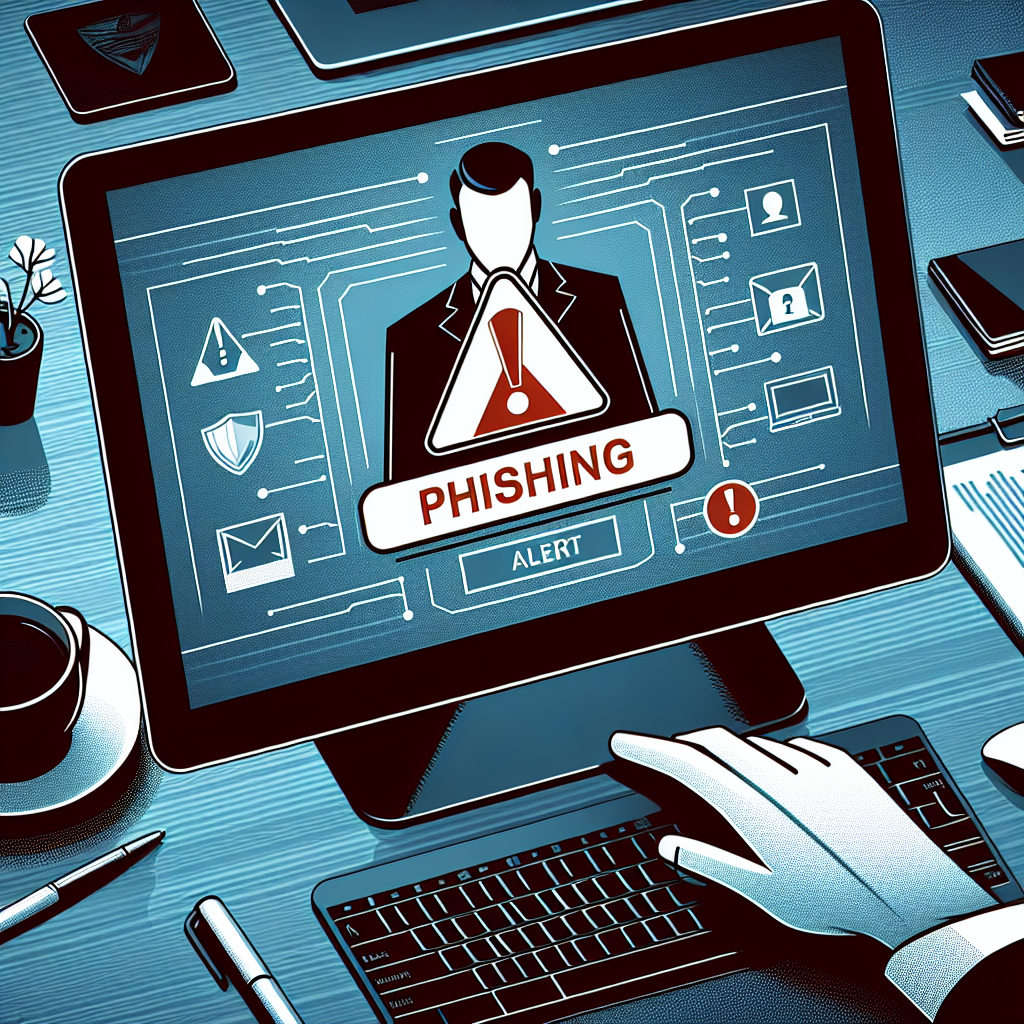
Fake emails and text messages impersonating the IRS remain the most common attack vector. The IRS does not initiate contact by email, text, or social media. If you receive a message claiming to be from the IRS asking you to click a link, verify your identity, or provide payment information, it is a scam. Forward suspicious emails to phishing@irs.gov and delete them.
Fake Charities
After natural disasters and high-profile events, scammers set up fake charitable organizations soliciting tax-deductible donations. Business owners who make charitable contributions should verify the organization’s tax-exempt status using the IRS Tax Exempt Organization Search tool before writing a check. Donations to non-qualified organizations are not deductible.
Ghost Preparers
A “ghost preparer” prepares your return but refuses to sign it or provide their PTIN. This is illegal. Any paid preparer must sign the return and include their identification number. Ghost preparers often claim inflated deductions or credits to produce a larger refund, then disappear when the IRS comes asking questions. The taxpayer, not the preparer, is ultimately responsible for the accuracy of the return.
How to Protect Your Business
Verify before you act. Any unsolicited contact about taxes, credits, or compliance should be independently verified through IRS.gov or your tax advisor. Implement email security protocols for your business to reduce phishing exposure. Train employees who handle financial data to recognize social engineering tactics. And use only credentialed tax professionals with verifiable PTINs.
The Dirty Dozen list is a useful annual reminder that tax fraud is a persistent threat. Awareness is your first line of defense.