
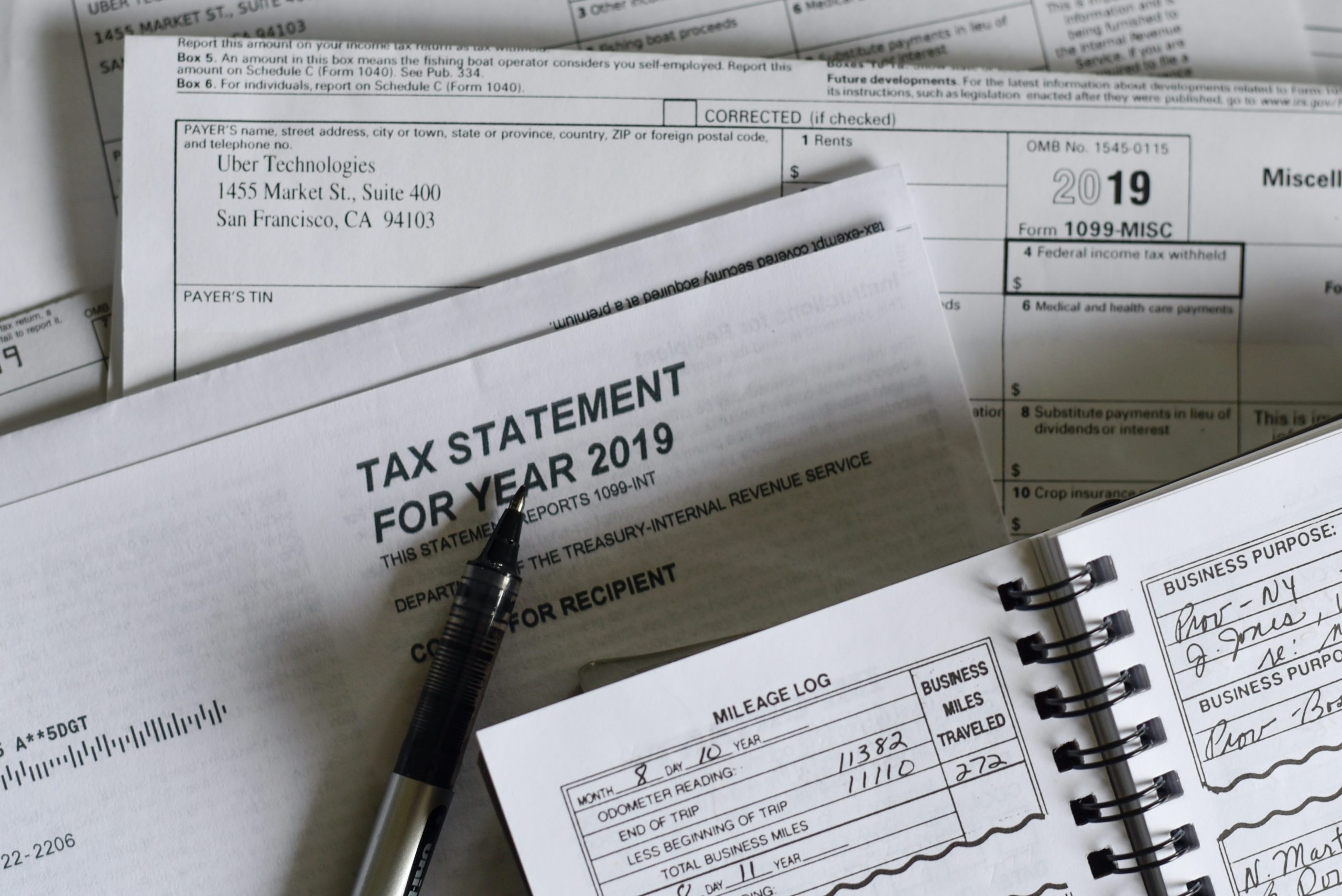
- W-2 form: This is a summary of a taxpayer’s wages, salaries, tips, and other taxable compensation received from an employer. You should receive this by January 31
- 1099-MISC form: Note that Non-Employee Compensation has been moved to 1099-NEC. The 1099-MISC is still used for rental income, prizes and awards, and other income not covered by other forms of the 1099. This can also include the sale of goods for $5000 or more and the sale of crops by a farmer.
- 1099-NEC: This is a tax form used to report non-employee compensation in place of the previous 1099-MISC form.
- 1099-K: This is a tax form used to report merchant card and third-party network payments. Note that this is also the form now being used to report Gig-work income from other sources such as online marketplaces, ride-sharing services, and other services that rely on third-party online payment platforms. If you do online business receiving payments through PayPal or Square, you will also receive a 1099-k for transactions exceeding $20,000 and over 200 transactions in a year. Cypto sales and income are also reported on 1099-K forms though be careful as not all exchanges may be sending these. You are still responsible to declare all your income.
- 1099-INT form: This is a tax form used to report interest income received from a bank, savings and loan, or credit union.
- 1099-DIV form: This is a tax form used to report dividend income received from stocks and mutual funds.
- 1099-R form: This is a tax form used to report distributions from pensions, annuities, retirement or profit-sharing plans, IRAs, insurance contracts, etc.
- 1099-G form: This is a tax form used to report unemployment compensation received during the year.
- 1099-S form: This is a tax form used to report the sale or exchange of real estate.
- 1099-B is a tax form that reports the sale or exchange of a financial instrument or commodity, such as stocks, bonds, or futures contracts. Financial institutions, brokers, and other entities are required to file a 1099-B for each taxpayer that has a transaction with them during the tax year. The information on the 1099-B is used to report gains or losses on the taxpayer’s tax return.
- The 1099-C is a tax form that reports the cancellation of debt. This form is used when a debt that was owed by the taxpayer is either partially or fully cancelled, forgiven, or discharged. Examples of debts that can be reported on a 1099-C include credit card debt, mortgage debt, or student loans. Lenders, creditors, and other entities that forgive or discharge debt are required to file a 1099-C for each taxpayer they have debt with. Taxpayers may be required to pay taxes on the cancelled debt, depending on the amount and type of debt.
- SSA-1099 form: This is a tax form used to report Social Security benefits received during the year.
- 1098-E: This form reports student loan interest paid by the taxpayer during the tax year. Taxpayers who have paid interest on student loans may receive this form.
- 1098-T: Taxpayers who have paid tuition and related expenses may receive this form. It reports payments received for qualified tuition and related education expenses that you may have paid last year.
- 1098-Mortgage Interest Statement: This form reports mortgage interest paid by the taxpayer during the tax year. Taxpayers who have paid mortgage interest on their primary residence may receive this form.
- 1098-Home Equity Debt: This form reports interest paid on a home equity loan or line of credit. Taxpayers who have taken out a home equity loan or line of credit and paid interest on it may receive this form. NOTE: home equity debt is disallowed as a mortgage interest deduction unless the home equity debt was used to build, buy, or substantially improve the taxpayer’s qualified residence.
- 1098-C: This form reports contributions of a motor vehicle, boat, or airplane to a qualified organization. Taxpayers who have made contributions of these assets to a qualified organization may receive this form.
- 1098-SA: The 1098-SA form is a document related to contributions made to a Health Savings Account (HSA). This form is usually issued by the account administrator and sent to the account holder. It reports the total contributions made to the HSA in the tax year, which are tax-deductible. Taxpayers who made contributions to an HSA during the tax year will receive this form.
- 1098-LTC: The 1098-LTC form is used to report payments made for long-term care insurance contracts. It is usually issued by the insurance company and sent to the policyholder. The form reports the amount of premiums paid for the contract in the tax year, which may be eligible for a tax credit. Taxpayers who have a long-term care insurance contract and paid premiums during the tax year will receive this form.
Disclaimer: This article is for informational purposes only and is not legal, tax, or financial advice. BCA is not a licensed professional services firm. We help clients assess their situations and work with licensed attorneys, tax advisors, and other qualified professionals on your behalf. Read our full Disclaimer and Terms of Use. Have questions? Contact BCA and let us put the right team together for you.